
14 July 2026 · Liam Thompson
The Hidden Benefits of Bilingual Coding Education.

Many people assume that learning to code is purely technical, a matter of memorizing syntax and solving puzzles on a screen. Yet when the instruction happens in English for students whose first language is something else, layers of growth appear that go far beyond the keyboard. Bilingual coding education quietly strengthens memory, sharpens focus, and opens doors that single-language programs rarely reach.

One of the first surprises is how bilingual practice improves pattern recognition. When a learner explains a loop in English after first sketching the logic in their native tongue, the brain forms extra connections. Those connections later help when debugging complex systems or reading documentation written by teams across the world. Students often report that switching between languages forces them to slow down and really understand each step rather than rushing through familiar commands.
Cognitive Flexibility That Stays Useful
Research in language learning shows that juggling two tongues builds mental agility. The same effect shows up in coding classes. A student who can describe an algorithm in English and then translate the explanation for a friend back home ends up with clearer thinking habits. This flexibility shows itself during code reviews, when the bilingual coder spots edge cases faster because they naturally consider multiple ways to frame the problem.
Real-World Career Edges
Companies today hire developers who can work with international teammates. English remains the default language for most technical discussions, but the ability to bridge that language with another culture gives candidates an advantage. Graduates from bilingual programs frequently land roles that involve mentoring junior developers from different regions or localizing software for new markets. The hidden benefit is not just the code they write, but the trust they build across language barriers.

Another quiet advantage appears in problem-solving speed. Bilingual students often pause to rephrase a challenge in their stronger language before attacking it in English. That short translation step reduces careless mistakes and encourages cleaner variable names and comments. Over time the habit becomes automatic, leading to code that is easier for entire teams to maintain.
Confidence and Community Building
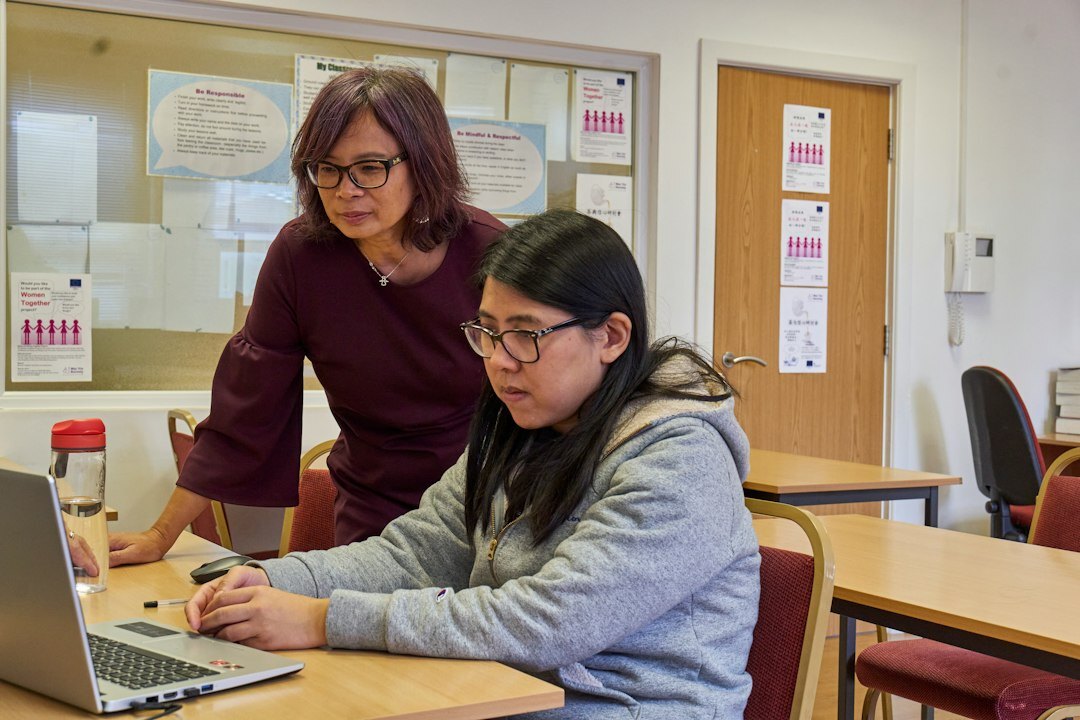
Learning in a second language can feel intimidating at first. Yet once students master both the code and the English explanations, their confidence rises noticeably. They volunteer answers more often, ask sharper questions, and start helping classmates who are newer to the material. This creates a ripple effect inside the classroom that turns isolated learners into a supportive group.
Switching between languages made me notice details in my code I used to miss. It is like seeing the same problem from two angles at once.
Parents sometimes worry that extra language work will slow progress in programming itself. In practice the opposite occurs. The extra mental effort pays off in deeper retention. Concepts that once felt abstract become concrete when students teach them to family members in their first language.
Long-Term Personal Growth
The benefits extend past the first job. Bilingual coders tend to keep learning new frameworks because they already treat language as a tool rather than an obstacle. They read research papers and forum threads in English without hesitation, then apply those ideas locally. Over a career this habit compounds into broader expertise and more interesting projects.
At Findrixo the curriculum is built around this dual focus. Lessons present core programming ideas in clear English while encouraging students to discuss concepts in whichever language feels natural during pair work. The result is graduates who write solid code and communicate it effectively, a combination that stands out in any hiring process.

Ultimately bilingual coding education does more than teach syntax. It trains adaptable thinkers who move comfortably between cultures, languages, and technical challenges. Those skills remain valuable long after any single programming language falls out of fashion.